If you want one pantry item that works with almost every meal, a good seed mix is hard to beat. Understanding the mixed seeds benefits can help you see why this small blend deserves a permanent spot in your kitchen.
What Are Mixed Seeds?
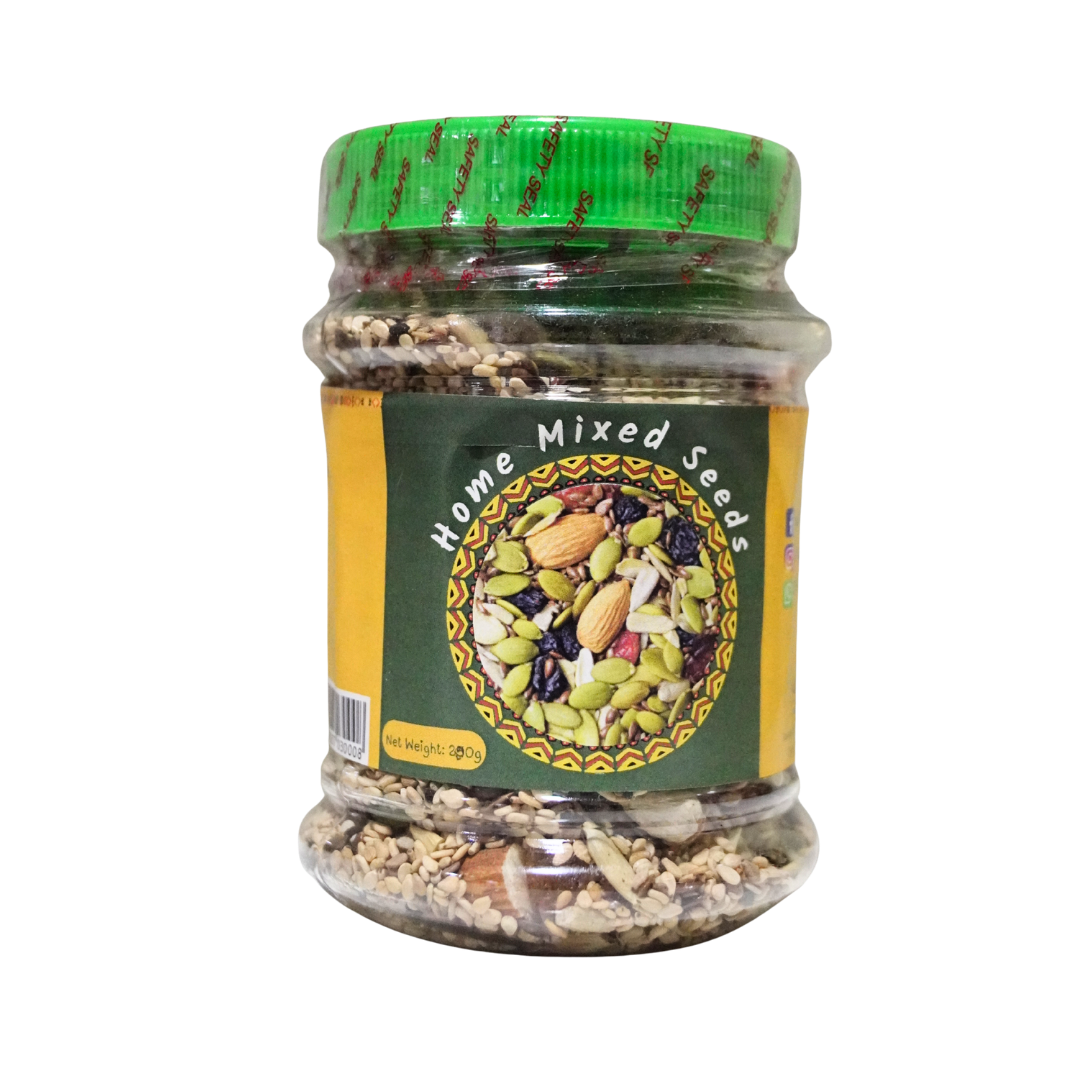
Mixed seeds are a blend of edible seeds, commonly pumpkin, sunflower, sesame, flax, and chia. Combining them gives you a wider range of nutrients than any single seed alone.
Key Mixed Seeds Benefits
- Fibre: Seeds support healthy digestion and help you feel fuller for longer.
- Healthy fats: Many seeds provide unsaturated fats, including plant-based omega-3s from flax and chia.
- Minerals: Pumpkin and sesame seeds are good sources of magnesium, zinc, and iron.
- Plant protein: A small handful adds a useful protein boost to vegetarian and vegan meals.
- Antioxidants: Sunflower seeds contain vitamin E, a well-known antioxidant.
Easy Ways to Eat Mixed Seeds
- Breakfast: Sprinkle over oatmeal, yoghurt, or smoothie bowls.
- Salads and soups: Add crunch as a topping instead of croutons.
- Baking: Stir into bread, muffins, crackers, or homemade granola bars.
- Snacking: Lightly toast and enjoy on their own, or mix with dried fruit.
- Cooking: Coat chicken or fish with crushed seeds before baking.
How Much Should You Eat?
A tablespoon or two a day is a sensible starting point. Seeds are energy-dense, so enjoy them as part of a balanced diet. If you’re increasing your fibre intake, do it gradually and drink plenty of water.
Storage Tips
Because seeds contain natural oils, keep them in an airtight container in a cool, dark place. For longer shelf life, store them in the fridge.
Final Thoughts
Mixed seeds are simple, versatile, and packed with nutrition. Add a spoonful to your next meal and enjoy the crunch.
Shop our mixed seeds today and make everyday meals more nourishing.
Purchase the product here and have it delivered the same day – https://divineorganichubghana.com/product/home-mixed-seeds/
Follow us on all our socials to get updates on all our offers and products.



This article is for general information only and is not medical advice. If you have a seed allergy or medical condition, check with a healthcare professional.